Wednesday, July 9, 2014

My New Celebrity Crush...

 
It's Bob! Bob is a very special "ginger Tom" and the star of A Street Cat Named Bob and The World According to Bob. He adopted author James Bowen while James was recovering from a heroin addiction and getting his life back on track. The two became inseparable throughout the ups and downs of busking and later selling the U.K. equivalent of "Real Change" papers. Bob is an unusual kitty given his comfort in working a crowd and riding mass transit; however it's the relationship and communication these two share that leaves the lasting impression. Bob and James are truly soul mates and their experiences will leave you both laughing and crying. A Street Cat Named Bob was an International bestseller so I'm not sure you even need to be a Cat Person to appreciate the book. The next book, The World According to Bob, despite the title includes a bit more about James' challenges as a former addict and living such a rough day-to-day existence. He says that Bob saved his life and we see that literally and metaphorically. His writing demonstrates the magic and healing companion animals can offer as well as the significance of really listening with your heart to the animals trusting you to care for them. I highly recommend the Bob series as these memorable stories will enchant all age groups.
 
See more at Twitter@StreetCatBob and "James and Bob" on YouTube. Both books are available at Seattle Public Libraries.


Friday, June 27, 2014

Reviewing Cat Sense, the NY Times best seller

 
Cat Sense, How the new feline science can make you a better friend to your pet weaves together history, anatomy, biology and cultural studies to educate readers on how and why your kitty does what he does. Author John Bradshaw claims that cats desperately need the kind of research from which dogs have benefited. Because people employ dogs for sniffing out drugs, cancer and human bodies, as well as rely on them as personal service dogs for everything from blindness to anxiety disorders I understand why science and industry would expend more resources on studying canines. Bradshaw’s concerns seem to arise however from felines solely in the role of companion animals and how our changing societies can accommodate carnivorous little hunters as house pets. The Nature Conservancy, Audubon Society, and the Smithsonian Institute (in their infamous January 2013 NY Times piece on predation) have all come down hard on allowing cats outside. Alley Cat Allies, based in Washington, D.C., is on constant alert to communities issuing ridiculous “catch and kill” regulations for any cats found roaming outside. (The city of Edmonds, WA, is one example.) As human density increases, our kitties along with many other species often suffer from lack of their own territory and intolerant neighbors.


Cat Sense is interesting (an often disturbing) for the historical perspective on feline domestication it provides. Evidence from Egypt shows that cats were kept as pets as long as 4,000 years ago and about 2,000 years ago their sacrificial killing became a major industry when purpose bred cats were mummified by the literal millions. From the 13th to the 17th centuries, the Catholic Church was responsible for the torture and killing of many millions of cats because of their supposed association with the devil and witchcraft instead of deities. Finally in mid-18th century Europe, cats became fashionable pets amongst the aristocracy. For new cat guardians or those who really enjoy science, there’s quite a bit of material of cats’ anatomy and behaviors resulting from cats’ innate need to hunt, establish territory and if unaltered, mate. Bradshaw could have saved himself some academic research simply by volunteering at a cat shelter and discussing observations with caregivers and those involved in trap/neuter/return. In more than one statement, Bradshaw comments that kittens as young as six month old can conceive due to modern cat nutrition. The “Fix at 4” campaign sponsored by Best Friends promotes sterilizing your dog or cat at four months because many people mistakenly believe they cannot get pregnant this young. His research does turn up excellent and grounded rebuttals to the theory that cats are slaughtering birds everywhere.


I appreciate that Bradshaw addresses maintaining harmony in multiple cat homes and discourages declawing. However, his overall premise that breeding and socializing will make calmer, more affectionate housecats is far removed from reality. He allowed his own cats to produce a few litters before spaying them and posits that sterilizing all the tame cats will leave only the un-socialized feral cats to breed, thereby producing less desirable “pets.” He sites one area in Southampton UK that had more than 98% of their resident cats altered and actually had to travel outside the area to procure kittens. The rest of the world needs to study how Southampton accomplished this! I imagine that in the lower income areas of every major city you will find cats suffering from having litter after litter and eating garbage. In India, cats are actually trapped and eaten by the impoverished gypsies. Many shelters routinely transport animals to other shelters where their chance for adoption is better; this practice is not new and Bradshaw even comments on this. Kittens taken out of feral colonies and socialized with a variety of people and other cats, as Bradshaw’s research demonstrates, allow for fine and friendly companion cats later in life. Breeding more cats just so we can possibly reduce their prey drive seems absurd, not to mention insulting to the 5-8 million homeless animals entering the shelter system every year in the United States. Building a cat enclosure, playing regularly and/or harness training him if he is amenable may help in the micro picture, but mostly allowing our kitties to be shy if and when they want to be and changing our expectations, not feline genetics, will bring us the most satisfaction as cat guardians. I personally like my cats a little wild!


Thursday, June 26, 2014

New resource for catties


Ten month old kittens Scarlett and her sister recently spent a weekend in my guest room until their intake appointment at the Humane Society of Seattle/King County on Monday. They were acquired through a neighbor with an "accidental" litter from their cat outside of the Seattle area. The people who "adopted" the kittens apparently didn't ponder the cost of caring for two new family members and these girls never got spayed or vaccinated. Fortunately they were kept inside so they didn't end up pregnant teenagers and the people realized they were not capable of providing a good home and began to ask around for help. A kind woman who knew me as a cat person reached out on their behalf and acted as the liaison to get these kittens out of a bad situation. These lucky girls will likely be in their new home or homes by next weekend!

The same week I was asked about what to do about a cat who had been treated for urinary tract infections but continued to inappropriately urinate around the house. The veterinarian dispensed drugs, the infection cleared, yet he or she couldn't offer much help with the resulting behavioral disturbances. There are many possible reasons the kitty continued to pee outside his box and there are many things worth trying to get kitty back on the road to being a tidy box user. It can require a lot of patience and shifting things in the house, maybe even anti-anxiety drugs for a short stretch. A litter box in the living room might not be attractive but it may be necessary and temporary in retraining a cat to use it and not the couch. There are numerous online resources that cost nothing but one's time if a certified behaviorists who specialize in exactly this sort of problem is not in the budget at this time. I've included such a resource below:
 
 
Bringing home kittens should not an impulse decision and "getting rid" of peeing cats really isn't an option when they are a family member. Companion kitties are dependent on us to act in their best interest and be responsible, compassionate humans with well developed problem solving skills.

Friday, May 23, 2014

A Dog's Life

 
Check out this heart warming video of nine beagles released from a laboratory after spending their entire lives in cages. They can now run, play and experience the simple pleasures denied to them as "research subjects." Lucky pups!

http://www.tailsinc.com/2014/05/beagles-experience-sunlight-and-grass-for-first-time/

Although I am obviously a confirmed cat person, I grew up with a beagle named Lucy so this story in particular touches me. Much to the dismay of the man who purchased her, Lucy was gun shy and of no use to him so he gave her away via an ad in the newspaper. As a hound, Lucy used her sense of smell to navigate and understand the world. I remember times when she wandered away just because she was following her nose. We would find her and drag her back home. Lucy eventually went deaf in her old age but I doubt that bothered her much because she was also afraid of thunder and being deaf meant never having to hear those scary noises again. She was spoiled and treated like a member of the family of course.

If the idea of supporting animal research, be it on companion animals, monkeys or mice, bothers you like it does me please check out the link below for charities that do NOT exploit and torture animals. If you are solicited for a donation from say, Fred Hutchinson Research Center here in Seattle, you can look at this list and confirm that they do unfortunately fund animal research and find an alternative group to support.
http://www.humaneseal.org/

There are many methods that do not involve live animals and in fact many countries such as the UK have banned many forms of animal testing. Learn more here:
http://www.pcrm.org/research/animaltestalt/animaltesting

Tuesday, April 15, 2014

Every Kitty a Star

It's been a busy Spring! Here are just a few of the charming kitties I had the opportunity to visit with last month. You can see why I love my work!
 

 Candy

Hester

Trudy, Hester's sister

Charlie

Marco


Thursday, March 6, 2014

Please don't eat the flowers!

With Spring right around the corner, you might be tempted to bring home some colorful, fresh flowers or compelled to do some deep cleaning. Keep kitty's safety in mind however, as you endeavor to celebrate the season; certain flowers and cleaning agents rake among the top poisons that can harm cats. Indeed, we recently visited our veterinarian and our doctor's day had started out very sad when a feline patient was brought in with acute renal failure from ingesting lilies. The cat's family didn't know what caused his sudden illness and it wasn't until after his death that they discovered he had nibbled on a bouquet they had brought into the home only a few days earlier. If your kitty loves to chew on plants simply swing by any produce department and pick up a tub of "cat grass." It only lasts about a week so you may need to buy fresh each time you go to the grocer but it's completely safe and often organically grown so you don't need to worry about pesticides either.

Cleaning products that are toxic for your kitty are probably also toxic for you as well. Switching to products from Dr. Bronner's, 7th Generation, and BioKleen, or making your own with white vinegar and baking soda have the added advantage of being cruelty-free (not tested on animals like Clorox, Proctor & Gamble, and SC Johnson products all are). Instead of chemical "air fresheners," try using zeolite crystals near the litter box. These can be "recharged" by setting them outside in the sun on bright days and rinsed off if they get dusty. I also like cotton balls soaked in essential oils such as peppermint or lavender tucked into a tall jar or placed out of an area kitty can reach. This is a great "emergency" fix when I've had to transport Tom cats in my car to be neutered!

Check out the link below with lists of common household hazards to both cats and dogs, plus phone numbers for posion control centers you can call anytime:
http://www.tailsinc.com/2014/02/the-411-on-pet-poisonings/


Monday, February 10, 2014

Snow Storm Seattle 2014


http://www.tailsinc.com/2014/01/17-pets-who-love-the-snow-as-much-as-we-do/

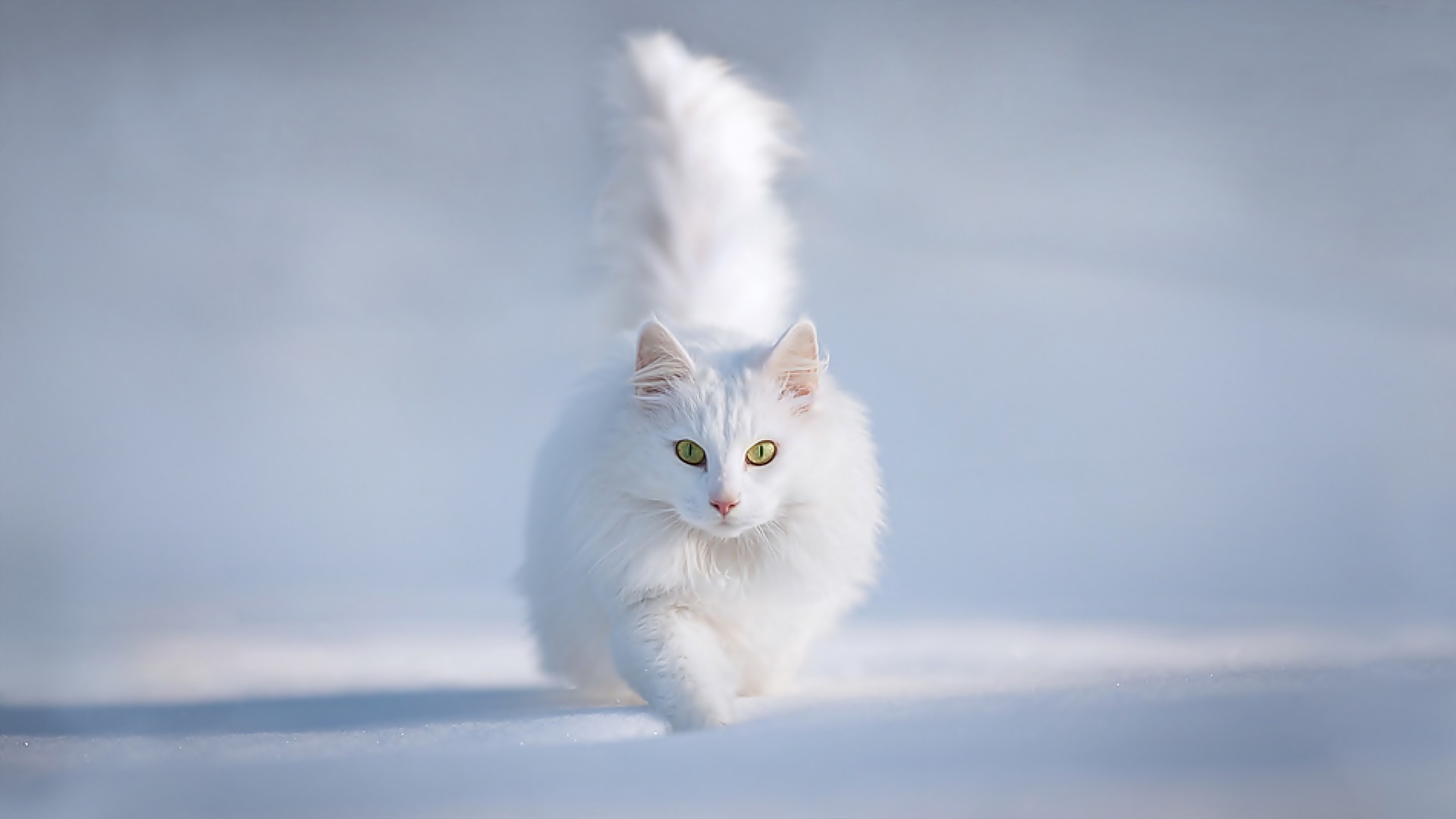
Yes, the snow is melting today and none of my kitties were particularly impressed but some companion animals apparently really enjoy the white stuff. Take a break with a warm beverage and a kitty in your lap and check out these cute pics of pups and kitties romping in snow.